
Welcome back to our beloved weekly feature where the gaming team shares what’s been occupying their screens and stealing their free time. As we enter a new month, our editors have been diving into an eclectic mix of experiences that showcase the remarkable diversity of modern gaming. This week brings tales of virtual thrift shopping, the unexpected joys of medieval transportation, nostalgic returns to beloved classics, and some surprisingly cozy encounters with oceanic terror. The gaming landscape continues to offer something for everyone, and our team’s varied tastes prove just how broad that spectrum has become.
Marie’s Thrifting Adventure and Connor’s Oxcart Discovery
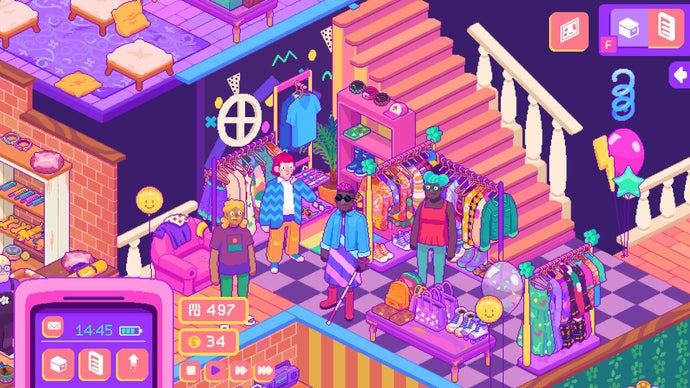
Marie has been spending her gaming hours exploring the increasingly popular genre of simulation games that focus on everyday activities transformed into engaging gameplay loops. Thrifting simulators and similar titles have seen a remarkable surge in popularity over recent years, tapping into the satisfaction of finding hidden treasures and the meditative quality of sorting through items. These games often feature charming art styles and relaxing soundtracks that make them perfect for unwinding after a long day. The genre has roots in earlier simulation games but has evolved to capture specific niches that resonate with modern players seeking calmer gaming experiences.
Meanwhile, Connor has discovered an unexpected appreciation for oxcarts in whatever medieval or historical title has captured his attention. Transportation in games set in pre-industrial eras often gets overlooked as merely a means to traverse large maps, but many developers have begun treating these elements with greater care and historical accuracy. The slow, deliberate pace of oxcart travel can actually enhance immersion, forcing players to appreciate the landscapes they’re passing through rather than rushing from objective to objective. This attention to period-appropriate detail reflects a broader trend in game development toward authenticity and thoughtful world-building.
Dom Returns to a Classic Favorite
Dom’s decision to revisit an all-time favorite speaks to one of gaming’s most enduring phenomena: the replay. Unlike other media forms, video games offer experiences that can feel fresh even on repeated playthroughs, whether through different player choices, improved skills, or simply the comfort of returning to a beloved world. The games industry has recognized this tendency, with many developers now designing their titles with replayability in mind from the earliest stages of development. Nostalgia plays a powerful role in gaming culture, and returning to formative titles often reveals new depths or simply provides the warm familiarity that players sometimes crave.
The practice of revisiting older games has also been supported by the industry’s embrace of remasters, re-releases, and backward compatibility features. Players today have unprecedented access to gaming history, allowing them to experience classics alongside cutting-edge new releases. This creates a unique cultural moment where gaming’s past and present coexist more seamlessly than ever before, and players like Dom can move fluidly between new discoveries and treasured memories.
Kelsey’s Cozy Nautical Horror Experience
Perhaps the most intriguing entry this week comes from Kelsey, who has found comfort in the unlikely pairing of cozy gaming aesthetics with nautical horror themes. This genre mashup represents an exciting development in indie gaming, where developers increasingly experiment with combining seemingly contradictory elements. The ocean has always held a special place in horror gaming, from the cosmic dread of underwater exploration to the isolation of being adrift at sea. Adding cozy elements to this formula creates a fascinating tension that keeps players engaged while still providing moments of relaxation and charm.
The mention that the development team relocated to Hawaii to create this particular game adds another layer of interest. Game development studios have increasingly experimented with remote work and location changes, and the environment where a game is made can genuinely influence its final form. A team surrounded by ocean views and tropical atmospheres would naturally bring different sensibilities to a nautical-themed project than one working in a traditional office setting. This connection between development environment and creative output represents an evolving understanding of how games are made and what factors contribute to their unique qualities.
Expert Opinion: The gaming industry continues to demonstrate remarkable creative diversity, with developers finding success by combining unexpected genres and prioritizing atmospheric experiences over pure mechanical complexity. As remote and location-independent development becomes more common, we may see even more games that reflect their creators’ environments in subtle but meaningful ways, potentially reshaping how studios approach the creative process entirely.