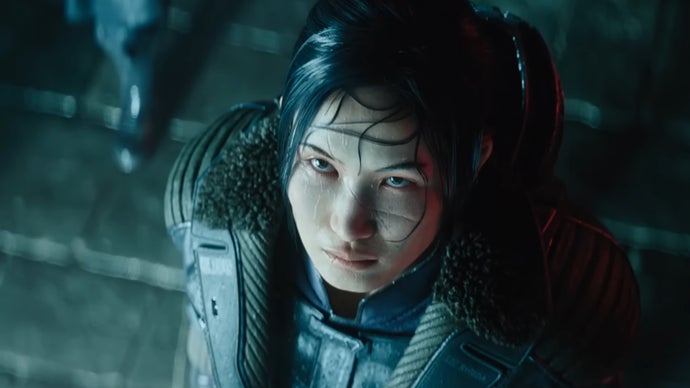
The ambitious sci-fi open-world game Last Sentinel, once touted as a potential competitor to Rockstar’s Grand Theft Auto franchise, appears to be facing cancellation. After several years of development and a high-profile announcement at The Game Awards 2023, the project has shown virtually no public gameplay footage, raising serious concerns about its future. Multiple industry sources now suggest that Chinese gaming giant Tencent has decided to halt development on what was supposed to be one of the most ambitious AAA gaming projects in recent years.
A Promising Beginning Turns Sour
Last Sentinel first captured the gaming world’s attention when it debuted with a cinematic announcement trailer during The Game Awards 2023, one of the industry’s most prestigious annual events. The trailer showcased a stunning sci-fi universe with sprawling futuristic cities, advanced technology, and what appeared to be an open-world structure reminiscent of the Grand Theft Auto series. The game was being developed by a newly formed studio backed by Tencent, the world’s largest gaming company by revenue, which owns stakes in numerous major gaming companies including Riot Games, Epic Games, and Supercell.
Tencent’s involvement initially gave the project significant credibility. The Chinese conglomerate has invested billions of dollars in gaming over the past decade, and their financial backing suggested Last Sentinel would have the resources necessary to compete with established franchises. Industry analysts estimated that the project had received investments potentially exceeding $100 million, making it one of the most expensive game development endeavors outside of established AAA publishers like Rockstar Games or Activision Blizzard.
Warning Signs and Development Troubles
Despite the initial excitement, warning signs began emerging shortly after the announcement. Unlike most major game reveals, Last Sentinel never followed up with gameplay demonstrations, developer diaries, or any substantial updates about development progress. In the competitive gaming industry, such silence following a major announcement typically indicates internal problems. Sources familiar with the project have reportedly indicated that the development team struggled with scope creep, technical challenges, and shifting creative vision—common issues that have plagued and ultimately killed numerous ambitious gaming projects throughout history.
The situation mirrors other high-profile gaming cancellations in recent years. Projects like Scalebound at Microsoft, Silent Hills at Konami, and numerous others have demonstrated how even well-funded games can collapse under the weight of unrealistic expectations and mismanaged development. The gaming industry has seen an increasing number of project cancellations as development costs soar and economic pressures mount on publishers and investors to demonstrate returns on their investments.
Tencent’s Shifting Strategy
Tencent’s reported decision to cancel Last Sentinel also reflects broader shifts in the company’s gaming strategy. Following years of aggressive expansion and investment, Tencent has recently adopted a more conservative approach to new projects amid economic headwinds in China and increased regulatory scrutiny of the gaming industry. The company has reportedly scaled back several ambitious projects and refocused resources on its existing successful titles, including Honor of Kings and various mobile gaming ventures that generate more predictable revenue streams.
For gamers who were eagerly anticipating Last Sentinel, the news represents yet another disappointment in a period marked by numerous high-profile project cancellations and studio closures across the industry. The GTA franchise, meanwhile, continues to dominate the open-world gaming space, with Rockstar’s GTA V remaining one of the best-selling games of all time and anticipation building for the eventual release of GTA VI. Without serious competition from projects like Last Sentinel, Rockstar’s position in the open-world gaming market remains essentially unchallenged.
Expert Opinion: The apparent cancellation of Last Sentinel underscores a growing trend in the gaming industry where ambitious AAA projects are increasingly difficult to bring to market amid rising development costs and investor impatience. This situation suggests that future GTA competitors will likely need to come from established studios with proven track records rather than newly formed teams, regardless of financial backing. The era of investors funding moonshot gaming projects based primarily on concept and ambition may be coming to an end.