
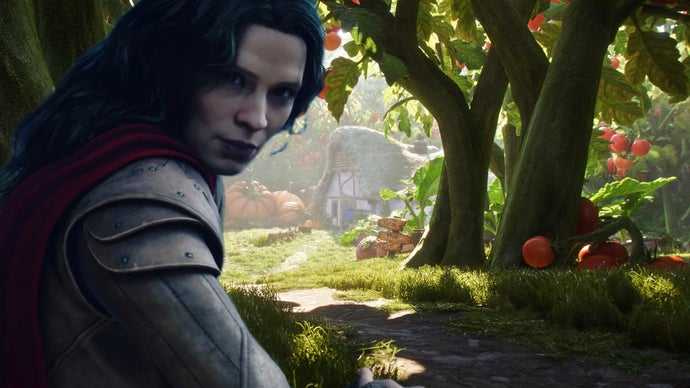
Fable has always been something more than just a video game series. During the era when Peter Molyneux and Lionhead Studios were at the helm, the franchise was defined as much by its ambitious promises as by its actual gameplay. Molyneux, known for his visionary yet often unrealistic declarations, would frequently describe features and mechanics that either never materialized or appeared in significantly reduced forms. Despite these unfulfilled promises, the series cultivated a devoted following thanks to its unique blend of life simulation elements, distinctively British humor, and a painterly fantasy sandbox approach that set it apart from other role-playing games of its time.
The original Fable, released in 2004 for the Xbox, introduced players to a world where moral choices shaped not just the story but the physical appearance of the protagonist. Players could become heroes celebrated throughout the land of Albion or villains feared by all who crossed their path. This dynamic morality system, combined with the ability to marry NPCs, own property, and engage in various non-combat activities, created an experience that felt genuinely different from other action RPGs of the era. The franchise continued through Fable II and Fable III, each adding new mechanics while maintaining the series’ signature charm and wit.
A New Chapter Under Playground Games
Now, after years of anticipation and development, the Fable franchise is being reborn under the stewardship of Playground Games, a studio best known for the critically acclaimed Forza Horizon racing series. This unusual pairing of a racing game developer with a beloved RPG franchise raised eyebrows when it was first announced, but recent hands-on impressions suggest that Playground has approached this project with genuine reverence for the source material while bringing fresh ideas to the table. The studio has assembled a talented team specifically for this project, including developers with experience in role-playing games and action-adventure titles.
During recent preview events, journalists and content creators were given extensive opportunities to experience the new Fable firsthand. The build showcased demonstrated significant improvements to the combat system, which appears to be one of the most substantial departures from previous entries in the series. Combat now feels more responsive and action-oriented, drawing comparisons to modern action RPGs while retaining the accessibility that made the original games approachable for players of all skill levels. Melee weapons, ranged options, and magical abilities can be combined fluidly, encouraging experimentation and allowing for diverse playstyles.
Preserving the Soul of Albion
Perhaps most encouraging for longtime fans is the apparent preservation of Fable’s distinctive personality. The world of Albion returns with its characteristic blend of pastoral English countryside aesthetics and fantastical elements. The humor remains intact, with quirky characters, absurd situations, and that peculiarly British sense of self-deprecating wit that defined the original trilogy. NPCs react to player actions and reputation, creating a living world that responds dynamically to choices made throughout the adventure. Property ownership, relationships, and various side activities promise to offer the life simulation elements that fans have missed since the last mainline entry.
In interviews conducted during the preview event, developers from Playground Games expressed their deep appreciation for the franchise and their determination to honor its legacy while pushing it forward. The team acknowledged the weight of expectations from fans who have waited over a decade for a proper new Fable experience. They emphasized their commitment to delivering a game that feels both familiar and fresh, capturing what made the originals special while utilizing modern technology and game design principles to enhance every aspect of the experience. The studio has reportedly worked closely with Xbox Game Studios to ensure the vision remains true to what Fable represents.
Looking Toward the Future of Fable
As the gaming industry eagerly awaits the full release, early impressions paint a promising picture for Fable’s return. The combination of refined combat mechanics, preserved humor and charm, and ambitious world-building suggests that Playground Games may have cracked the code that eluded even its original creators. Whether the final product can live up to the legendary promises that once defined this franchise remains to be seen, but for the first time in many years, fans have genuine reason for optimism. The new Fable represents not just a continuation of a beloved series but potentially a new beginning for one of gaming’s most unique and cherished franchises.
Expert Opinion: Playground Games’ transition from racing simulators to fantasy RPGs represents one of the most intriguing studio pivots in recent gaming history. Their meticulous attention to open-world design in Forza Horizon suggests they possess the technical expertise to create a compelling Albion, and early previews indicate they’ve also captured the intangible magic that made Fable special. If they can deliver on the promise shown in these hands-on sessions, we may be witnessing the revival of a franchise that could redefine Xbox’s RPG portfolio for the next generation.


