
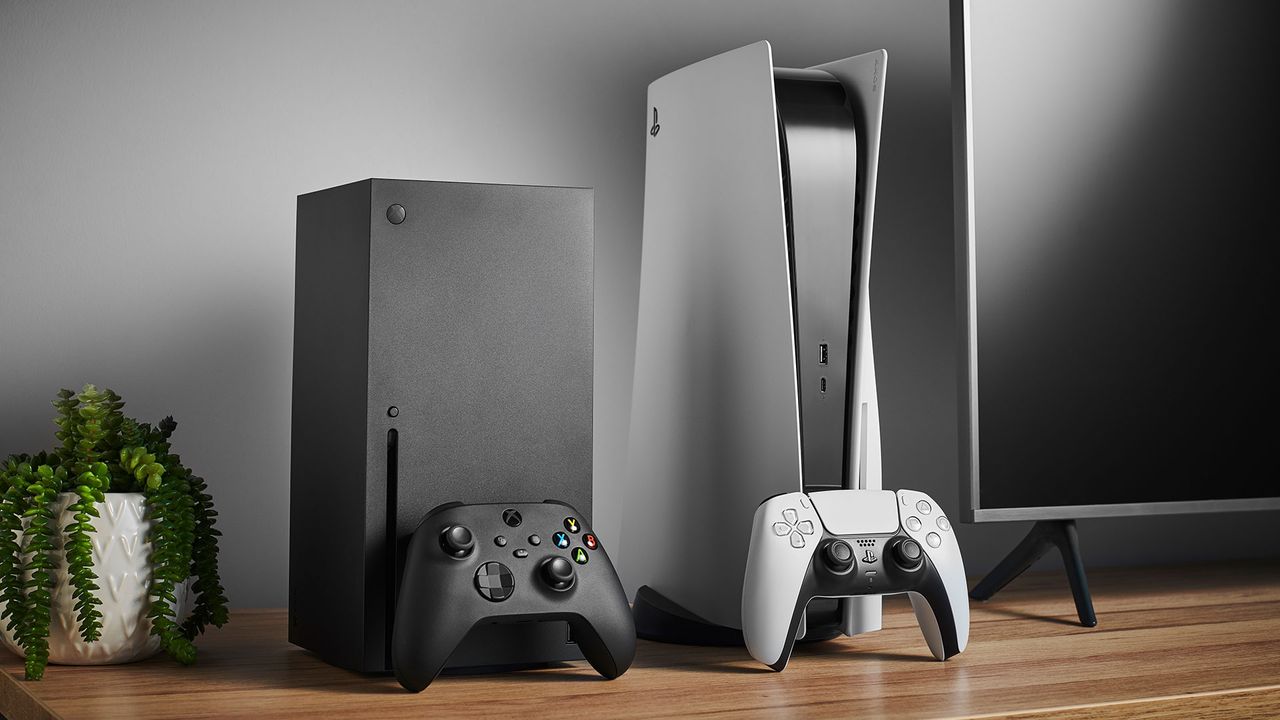
The console gaming industry finds itself at a critical crossroads as hardware manufacturers grapple with unprecedented cost pressures from multiple fronts. Rising component prices, global trade tensions, and shifting market demographics have created what many industry observers describe as a perfect storm of challenges. Yet amid this turbulence, Unity Technologies CEO Matthew Bromberg remains steadfastly optimistic about the future of console gaming, pointing to upcoming blockbuster releases and technological advancements as reasons for hope.
Bromberg, whose company produces one of the most widely utilized game development engines in the industry, recently shared his perspective on the current state of console hardware in an interview with The Game Business. While acknowledging the difficulties facing the sector, he characterized the current challenges as temporary obstacles rather than existential threats. His position at Unity provides him with unique insights into development trends and industry forecasts, though his role leading a publicly traded company inherently colors his outlook toward optimism.
The Perfect Storm Hitting Console Manufacturers
The challenges facing Nintendo, PlayStation, and Xbox are multifaceted and increasingly severe. All three major console manufacturers have implemented significant price increases over the past year, with Sony and Microsoft raising prices more than once. The root causes trace back to a global shortage of RAM and other essential components, driven largely by the explosive growth of artificial intelligence data centers that compete for the same semiconductor resources. These AI facilities require massive quantities of memory chips, creating unprecedented demand that has strained global supply chains.
Compounding these supply issues are the trade policies implemented by the Trump Administration, which have introduced tariffs affecting electronics manufacturing and component imports. These additional costs inevitably flow downstream to consumers, resulting in gaming hardware that defies the traditional pattern of technology becoming cheaper over time. The semiconductor industry has historically followed Moore’s Law, with computing power becoming more affordable as manufacturing processes mature. The current market represents a stark departure from this trend, leaving consumers facing higher prices for new gaming hardware than previous generations.
PlayStation’s Digital Future and Industry Shifts
Perhaps the most significant indicator of industry transformation came with Sony’s announcement that it will cease production of physical game discs by 2028, entering the next console generation as a digital-only platform. This decision likely reflects both the cost pressures affecting physical media manufacturing and distribution, as well as broader shifts in consumer behavior toward digital purchases. The move represents a fundamental change in how console gaming has operated for decades and raises questions about game ownership, preservation, and access in markets with limited internet infrastructure.
Bromberg addressed these concerns directly, stating that the current situation is “unprecedented and wacky” but ultimately manageable. “The idea that things get more expensive is the upside down of how it usually works,” he observed. “But that doesn’t mean that great console entertainment isn’t going to be consumed in massive quantities, and we’ll see that with GTA.” His reference to the highly anticipated Grand Theft Auto VI underscores the continued drawing power of major franchise releases, which historically drive console adoption regardless of price points.
Demographic Challenges and the Path Forward
Beyond immediate cost pressures, the console industry faces a longer-term demographic challenge. The traditional pattern of younger gamers replacing aging demographics as the primary console audience has reportedly stalled, with mobile gaming and other entertainment options capturing the attention of younger consumers. This shift represents a structural challenge that cannot be solved simply by reducing hardware costs, requiring instead new approaches to game design and marketing.
Despite these headwinds, Bromberg maintains that the console platform remains “vibrant” and will continue to attract audiences. “We will get more hit console entertainment. Costs will come down. And the industry will make games that will attract younger consumers over time,” he predicted. Industry analysts have offered more cautious assessments, with some suggesting that if next-generation consoles from Sony and Microsoft launch near the rumored $1,000 price point, five-year sales could fall 40% below current generation figures.
A Renaissance on the Horizon
Looking further ahead, Bromberg painted an ambitious picture of gaming’s potential, predicting transformative advances in game design and player engagement. “There will be better, more engaging games built over the next ten years than were ever built over the prior ten,” he declared. “We’re just beginning to scratch the surface of the level of persuasion and the intensity of engagement that we’re going to achieve.” These comments likely reference emerging technologies including artificial intelligence-driven game design, improved graphics capabilities, and new forms of interactive storytelling that could reshape player experiences.
Whether Bromberg’s optimism proves justified remains to be seen. The console gaming industry has weathered numerous challenges throughout its history, from the video game crash of 1983 to format wars and economic recessions. Each time, compelling content and technological innovation have ultimately driven recovery and growth. The coming years will test whether this pattern holds as manufacturers balance rising costs against consumer expectations in an increasingly competitive entertainment landscape.
Expert Opinion: The console gaming market stands at an inflection point where traditional business models face unprecedented pressure from both economic forces and changing consumer habits. While major releases like GTA VI will certainly drive short-term hardware sales, the industry’s long-term health depends on successfully navigating the transition to digital-only platforms while maintaining price accessibility for mainstream consumers. Manufacturers who can leverage AI and cloud technologies to reduce hardware requirements while delivering compelling experiences will likely emerge strongest from this turbulent period.


