
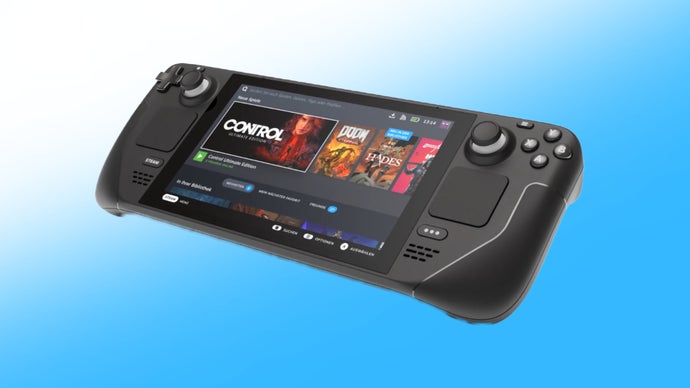
Valve has rolled out a significant new beta update for its popular handheld gaming device, bringing highly anticipated HDR (High Dynamic Range) graphics support to the Steam Deck OLED model. According to an announcement shared on X (formerly Twitter), this feature is currently exclusive to users participating in the beta testing program and is limited to the OLED variant of the device. The update represents a major step forward for handheld gaming enthusiasts who have been eagerly awaiting enhanced visual capabilities on their portable gaming systems.
What HDR Support Means for Steam Deck Users
High Dynamic Range technology dramatically improves the visual experience by expanding the range of colors and contrast that can be displayed on screen. With HDR enabled, games can showcase deeper blacks, brighter highlights, and a wider spectrum of colors that more closely approximate what the human eye perceives in the real world. For Steam Deck OLED owners, this means games that support HDR will now look significantly more vibrant and lifelike compared to the standard SDR (Standard Dynamic Range) output that was previously the only option available.
The OLED panel in the Steam Deck OLED is particularly well-suited for HDR content due to its inherent technological advantages. Unlike traditional LCD screens that require a backlight, OLED displays can turn individual pixels completely off, resulting in true blacks and infinite contrast ratios. This characteristic makes the OLED model the ideal candidate for HDR implementation, as the technology can fully leverage the display’s capabilities to deliver stunning visual fidelity that rivals many high-end monitors and televisions.
AV1 Streaming and Technical Improvements
Alongside HDR support, the beta update also introduces AV1 streaming capabilities, which represents another significant technical advancement for the platform. AV1 is a modern, royalty-free video codec that offers superior compression efficiency compared to older standards like H.264 and even H.265/HEVC. This means Steam Deck users can expect higher quality video streams while consuming less bandwidth, which is particularly beneficial for those using Steam Remote Play or streaming content from their gaming PCs to their handheld devices.
The implementation of AV1 streaming aligns with broader industry trends, as major technology companies including Google, Netflix, and YouTube have increasingly adopted this codec for its efficiency and quality benefits. For Steam Deck users, this translates to smoother remote gaming experiences with reduced latency and improved image quality, especially when playing over wireless connections or networks with limited bandwidth availability.
Future Availability and Expansion Plans
While Valve has confirmed that HDR support and AV1 streaming are currently restricted to beta testers using the Steam Deck OLED, the company has indicated that broader rollout to additional versions is highly likely in the future. However, no specific timeline has been announced for when these features might become available to all users or whether the original LCD Steam Deck model will receive any form of HDR support. Given the hardware limitations of LCD technology compared to OLED, it remains uncertain how effectively HDR could be implemented on the older model, if at all.
The Steam Deck has become one of the most successful handheld gaming devices since its launch in February 2022, with the OLED variant released in November 2023 bringing substantial improvements including a larger 7.4-inch display, improved battery life, and faster storage options. Valve has consistently supported the device with regular software updates, and this latest beta release demonstrates the company’s ongoing commitment to enhancing the user experience. Players interested in testing these new features can opt into the beta program through their device’s system settings, though they should be aware that beta software may contain bugs or stability issues not present in stable releases.
Expert Opinion: This HDR update positions the Steam Deck OLED as an increasingly competitive option against Nintendo’s upcoming Switch 2 and other portable gaming devices. Industry analysts expect Valve to continue leveraging the OLED hardware’s capabilities, potentially introducing features like variable refresh rate improvements and enhanced color calibration tools. The combination of HDR and AV1 streaming suggests Valve is building toward a more comprehensive media consumption platform, not just a gaming-focused device.