
For years, the hype train surrounding Grand Theft Auto 6 has been rolling at full speed, yet somehow it managed to pass me by completely. As a longtime fan of the series, I found myself increasingly disconnected from Rockstar Games’ flagship franchise. The excitement that once defined my relationship with the GTA series had gradually faded, starting with GTA 4 and continuing through GTA 5. While millions of players counted down the days to any scrap of GTA 6 news, I remained remarkably indifferent — until a recent 27-minute gameplay showcase completely transformed my perspective.
My complicated relationship with the series began during the GTA 4 era. While many praised its grittier, more realistic approach to the open-world crime genre, something felt different. The magic that had defined Vice City and San Andreas seemed diluted, replaced by a heavier narrative weight that didn’t quite resonate with me. When GTA 5 arrived in 2013, I found myself gravitating toward everything except the main storyline. The taxi missions, hunting expeditions, golf courses, parachute jumps, and the absurd task of collecting nuclear waste scattered across the ocean floor — these diversions became my primary entertainment. The wonderfully chaotic circus of side activities proved far more engaging than the central narrative featuring Michael, Trevor, and Franklin.
The Evolution of Open-World Gaming Since GTA 5
To understand why GTA 6 finally captured my attention, it’s essential to recognize how dramatically the gaming landscape has shifted since 2013. When GTA 5 launched, it represented the pinnacle of open-world design. However, the past decade has seen competitors like Red Dead Redemption 2, Cyberpunk 2077, and various other titles push the boundaries of what players expect from immersive virtual worlds. Rockstar Games faced an unprecedented challenge: creating a sequel that would not only meet but exceed expectations shaped by twelve years of technological advancement and evolving player demands.
The gaming industry has witnessed remarkable transformations during GTA 5’s reign as the best-selling entertainment product in history, generating over $8 billion in revenue. Next-generation consoles arrived, ray tracing became standard, and player expectations for narrative depth, character development, and environmental detail reached new heights. Rockstar’s silence over the years only amplified speculation and pressure, making every morsel of official information feel monumental. The company’s reputation for perfectionism, demonstrated through Red Dead Redemption 2’s staggering attention to detail, set an impossibly high bar for their return to Vice City.
What 27 Minutes Revealed About the Future
The recent extended gameplay footage showcased precisely why Rockstar has taken their time with this project. Those 27 minutes demonstrated technological achievements that seemed almost impossible — from the way sunlight filters through palm trees to the unprecedented level of pedestrian AI and environmental interaction. The fictional Leonida setting, inspired by modern Florida, appears more alive and reactive than any virtual world previously created. Character animations, dialogue systems, and the sheer density of meaningful activities visible in the footage suggest Rockstar has genuinely evolved their formula rather than simply iterating on past successes.
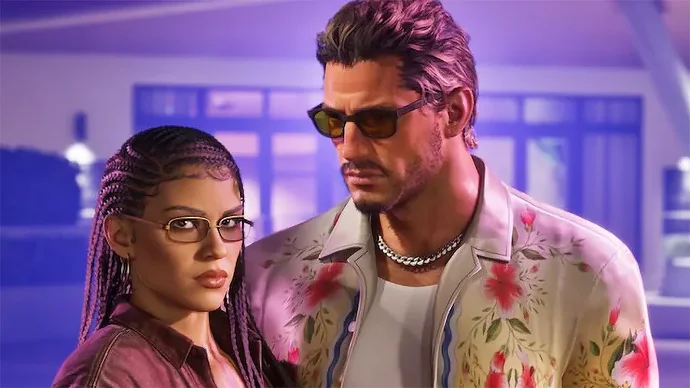
Perhaps most compelling was the glimpse into the dynamic between protagonists Lucia and Jason, whose Bonnie-and-Clyde-style narrative promises a more emotionally complex journey than previous entries. The footage revealed mission structures that appear more varied and contextually integrated into the world, addressing one of my primary criticisms of GTA 5’s somewhat disconnected feeling between story missions and open-world exploration. The seamless transitions between high-octane action sequences and quieter character moments suggest a more cohesive experience that might finally reunite the side-activity appeal with compelling main content.
From Skeptic to Believer
After witnessing this extended preview, my indifference has transformed into genuine anticipation. Rockstar appears to have listened to community feedback while simultaneously pushing technical boundaries in ways that justify their extended development timeline. The attention to environmental storytelling, the sophisticated weather systems, and the promise of meaningful side content integrated naturally into the world suggest that GTA 6 might finally bridge the gap between those who loved the chaos and those who craved narrative substance. With the release window now confirmed, the wait feels simultaneously eternal and entirely worthwhile.
Expert Opinion: GTA 6 represents Rockstar’s most ambitious undertaking yet, arriving after a development period that has allowed competitors to define new standards for open-world gaming. If the showcased footage accurately represents the final product, we may witness not just the most successful entertainment launch in history, but a fundamental redefinition of what interactive storytelling can achieve. The real question isn’t whether GTA 6 will succeed commercially — it’s whether it can recapture players like those who drifted away during the GTA 5 era.


