
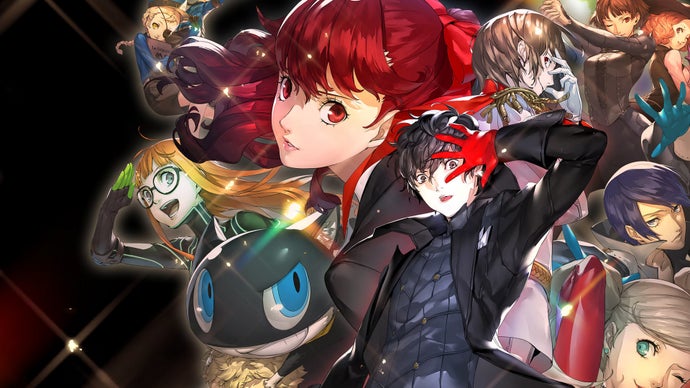
In an exciting development for longtime fans of the Persona franchise, Kazuhisa Wada, producer at Atlus’ P-Studio, has indicated that remakes of the original Persona games are something the studio feels compelled to pursue. While stopping short of making an official announcement or firm commitment, Wada’s comments suggest that bringing the classic first and second entries in the beloved JRPG series to modern platforms is very much on the development team’s radar.
The producer’s sentiment that remakes are something they “simply must do” has sparked considerable excitement within the gaming community. Persona 1 and both parts of Persona 2 (Innocent Sin and Eternal Punishment) represent the foundational entries in what has become one of gaming’s most celebrated role-playing franchises. These titles established many of the psychological and mythological themes that would later define the series, yet they remain largely inaccessible to modern audiences.
The Legacy of Early Persona Games
The original Persona, released in 1996 for the PlayStation, marked Atlus’ ambitious spin-off from their Shin Megami Tensei series. It introduced players to the concept of summoning Personas — manifestations of one’s inner self — through the exploration of the human psyche. Persona 2, split into two games released in 1999 and 2000, expanded upon these themes with a darker narrative involving rumors becoming reality and featured one of gaming’s first openly bisexual protagonists.
Despite their significance, these early entries have been overshadowed by the massive commercial success of later installments. Persona 3, 4, and especially Persona 5 brought the franchise into mainstream consciousness with their stylish presentations, social simulation elements, and accessible gameplay mechanics. Persona 5 alone has sold over 10 million copies worldwide, making it one of Atlus’ most successful titles ever.
Technical and Accessibility Challenges
One of the primary reasons fans have long requested remakes of the original games is their relative inaccessibility. While Persona 1 received a PSP remake in 2009 and Persona 2: Innocent Sin was similarly updated in 2011, these versions remain trapped on legacy hardware. Persona 2: Eternal Punishment’s PSP remake was never even released outside of Japan, leaving Western fans with only the original PlayStation version.
The gameplay systems in these early titles also differ significantly from what modern Persona fans expect. The social link system that became a franchise hallmark wasn’t introduced until Persona 3, and the dungeon design and combat mechanics feel dated by today’s standards. Any potential remakes would likely need to balance preserving the original experience while modernizing elements to appeal to contemporary players.
Industry Context and Fan Expectations
Atlus has demonstrated considerable success with remakes and enhanced versions of their titles. Persona 3 Reload, released in early 2024, proved that modernized versions of classic Persona games can resonate with both longtime fans and newcomers. The game received critical acclaim and commercial success, potentially paving the way for similar treatment of even older entries in the franchise.
The broader gaming industry has also seen a renaissance in high-quality remakes, from Final Fantasy VII Remake to Resident Evil’s acclaimed revivals. This trend suggests market appetite exists for faithful yet modernized versions of beloved classics, and Persona 1 and 2 seem like natural candidates for such treatment. With P-Studio’s growing resources following Persona 5’s success and the proven viability of the remake approach with Persona 3 Reload, the path forward seems clearer than ever for these foundational games to finally receive the modern spotlight they deserve.
Expert Opinion: Given Atlus’ recent success with Persona 3 Reload and Wada’s candid acknowledgment that remakes are necessary, we can reasonably expect official announcements regarding Persona 1 and 2 remakes within the next two to three years. The studio has demonstrated both the technical capability and commercial understanding needed to bring these classics to new audiences while satisfying longtime fans who have waited decades for modern versions.


